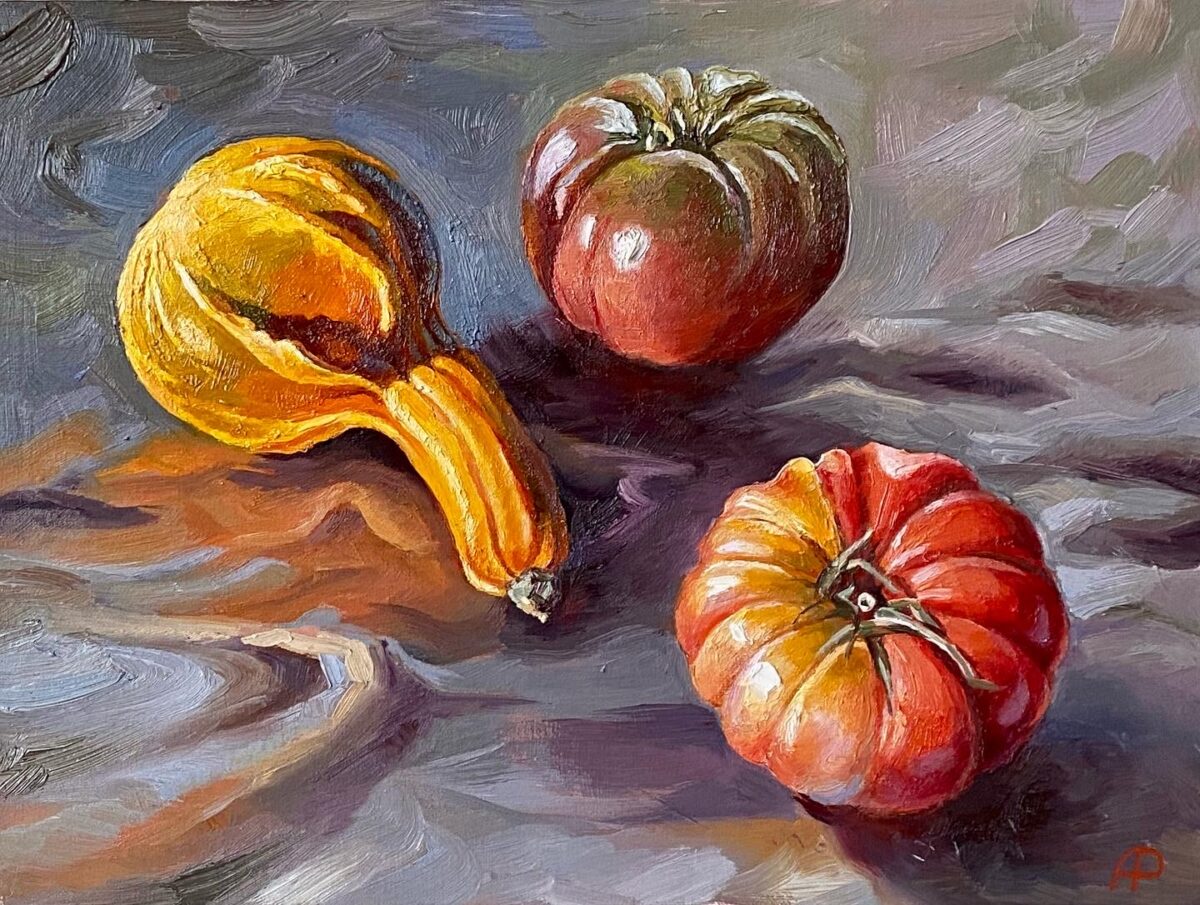
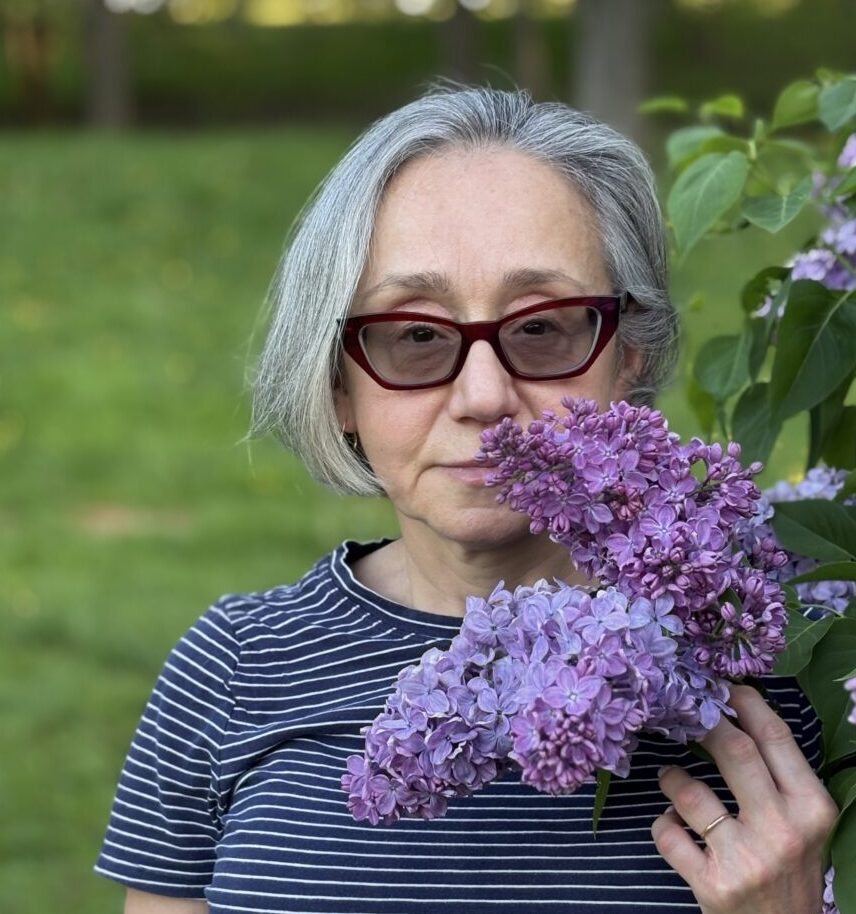
 My life has been intertwined with art from the early age, so I decided to go chronologically.
When I was ten, my mother enrolled me in a children’s art school. It was the only extracurricular activity I truly loved. I was also taking figure skating and attending music school. Figure skating was okay, but art was different.
I loved drawing with pen and ink, especially grasses and plants. Before long, I became fascinated by color. I began to see an extraordinary number of colors in every object. My still lives were built from patches/brushstrokes, each one a different color.We were given homework for the school vacations, and I would do mine in Estonia, where my family spent the summers. I made sketches, illustrations, watercolors, and gouaches. I drew beaches, landscapes, and old architecture in the historic towns around us, as well as a lot of black-and-white graphic work.
When I was in eighth grade, I transferred to a different school where I could concentrate more seriously on drawing, with the goal of getting into architectural college. I had to leave my art school, which was sad, and began studying from plaster casts of ancient Greek heads. At that time, strong drawing skills were essential for studying architecture. I spent five years studying drawing in college, and my skills improved considerably. It became easier to translate my ideas into images.We also had a one-year painting course, and one of the most unforgettable experiences was our painting practice. We spent a month in a historic town in northern Russia, painting plein air every day at an ancient monastery. That experience changed the way I saw the world. I began to imagine everything I looked at as a painting.
My graphic art during this period was usually based on philosophical ideas or inspired by books I had read. There was always a narrative—something that felt more challenging and exciting to express through the universal language of art than through words. I began creating allegories: drawings filled with meaning, in which I tried to convey my thoughts and ideas. They often contained an enormous amount of detail.
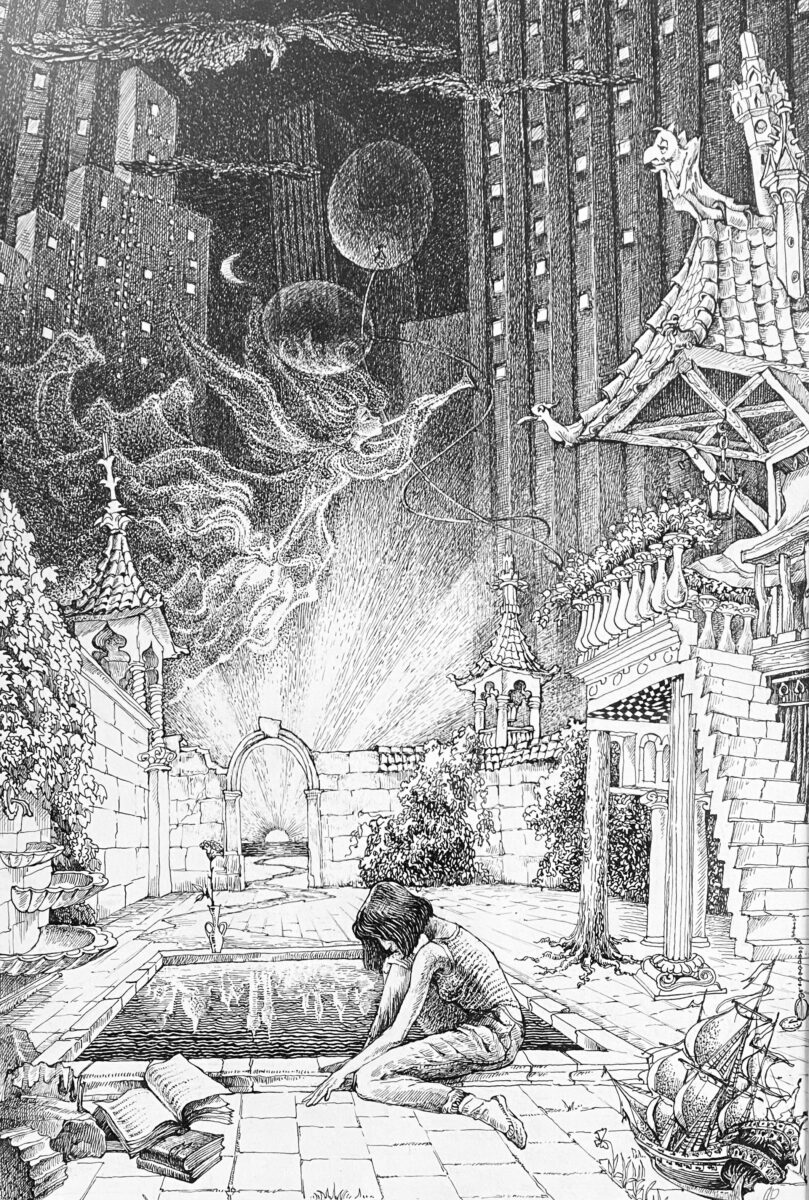
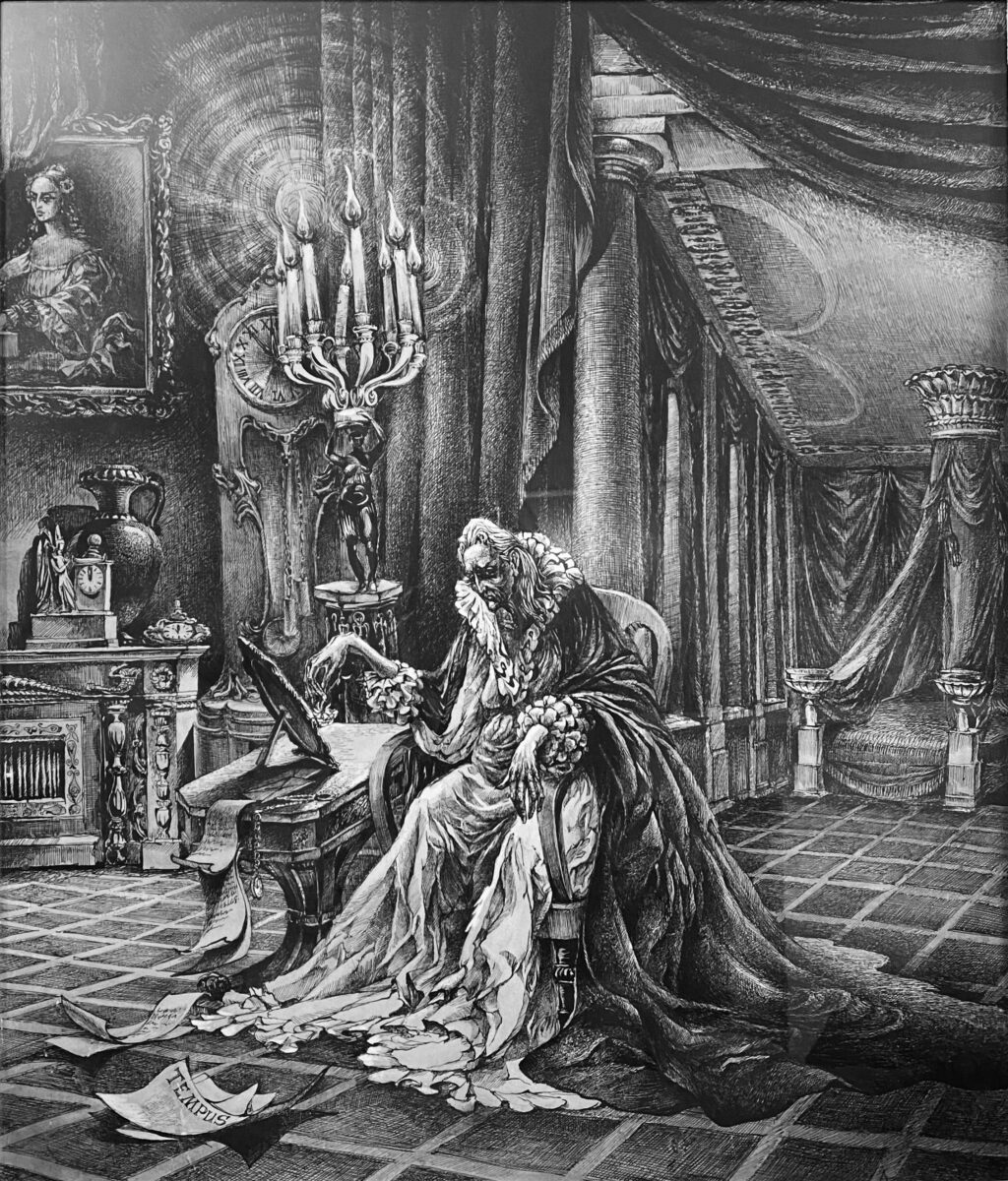
Black-and-white graphic work came more from my head, while painting was more of an emotional and sensory experience. I often used books as sources for furniture, costumes, and other details in my drawings.The last years of college were a particularly creative period for me. I was influenced by the spirit of my college and by the many talented friends around me, a lot of whom also drew or painted. This was the time when I created graphic works that I still consider my best.At the same time, my interest in watercolor and oil painting was growing. I did a great deal of plein-air painting, traveling to interesting places in Russia, Ukraine, and Estonia. In fact, plein-air painting was almost the only practical way for me to paint. My room was very small, and if I wanted to paint, I had to go outside.
Then I got married, had my daughter, and became increasingly involved in my architectural profession. There was a lot of work, family, and very little art.
I gradually returned to art when my children became a little older. I had a strong desire to learn more about painting and making art. At that point, I became much more inspired by color, and graphic work moved into the background. For many years, I studied at the Danforth Museum School with teachers including Terry Malo, Ruth Scotch, Ron Krouk, and Wilbur Blair. Later, I studied with the late Maris Platais. In recent years, most of my studies have been online, with teachers such as Kelly Folsom, Paul Foxton, and Adam Clague. I became a member of Wellesley Society of Artists and Natick Art Association, began participating in exhibitions, and created my website.
My goal now is to make my painting practice more regular. Throughout my adult life, I was returning to art for several years, separated by the longer periods without painting. The long breaks affected both the quality of my work and my progress. Now that I am retired, it finally became possible to make art more consistent part of my life. What I really want is to paint every day, but it is a struggle. I live with bipolar disorder, and the changes in mood and energy that come with it can make consistency difficult. At the same time, art has become a way to understand and work through the enormous range of emotions that I experience.
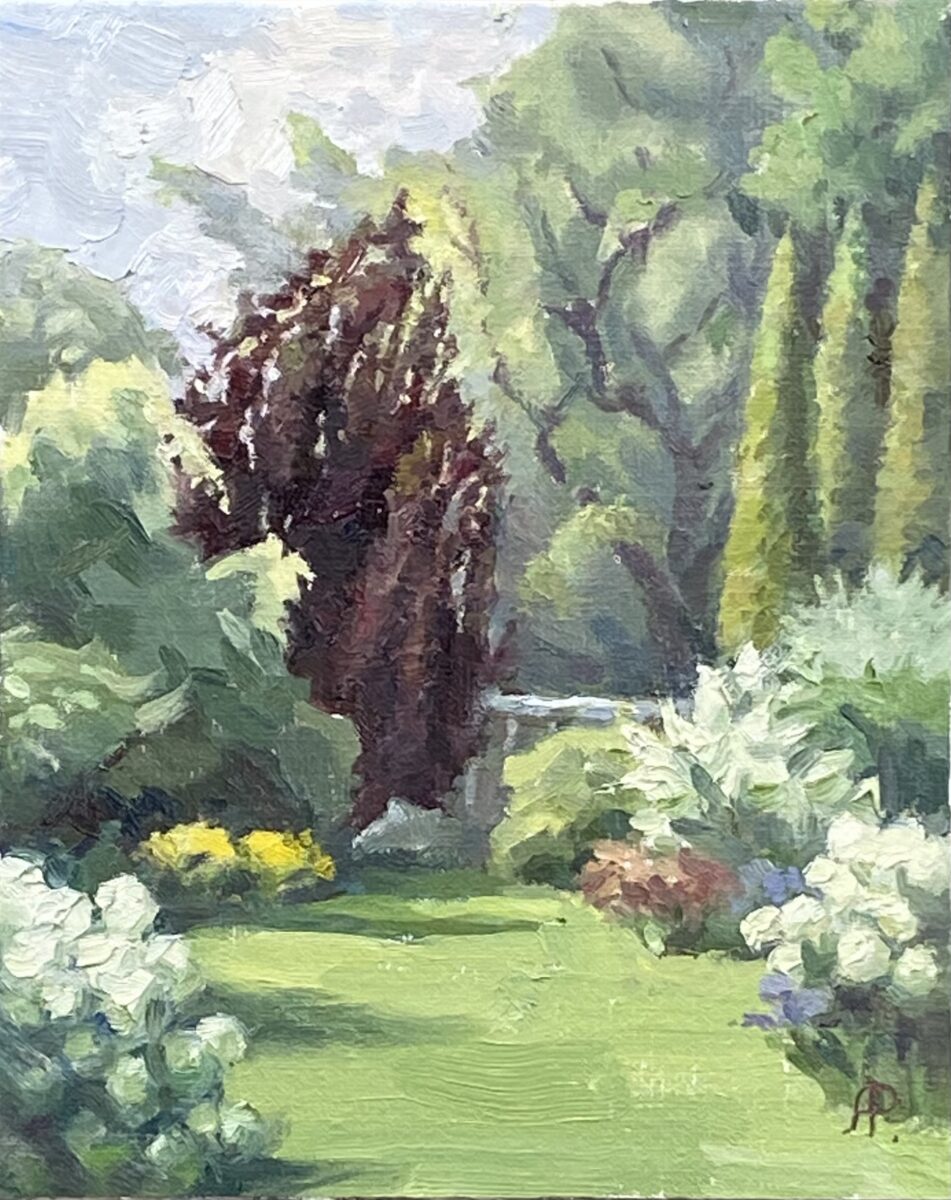
For the last 22 years of my working life, I was a landscape designer. It allowed me to combine my education in design with my love of plants. I still know the plants of New England very well, and painting flowers has become one of my major themes.
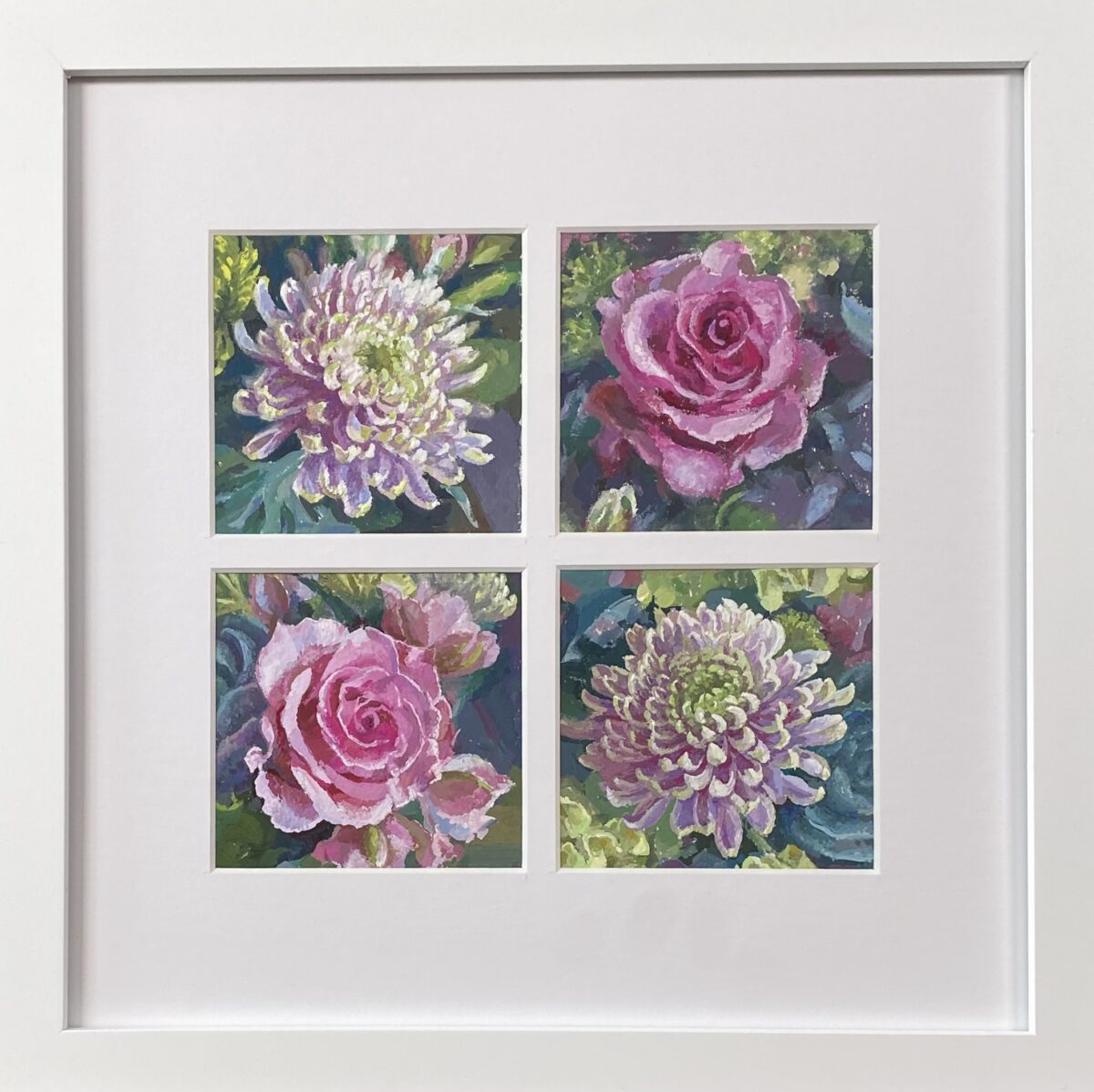
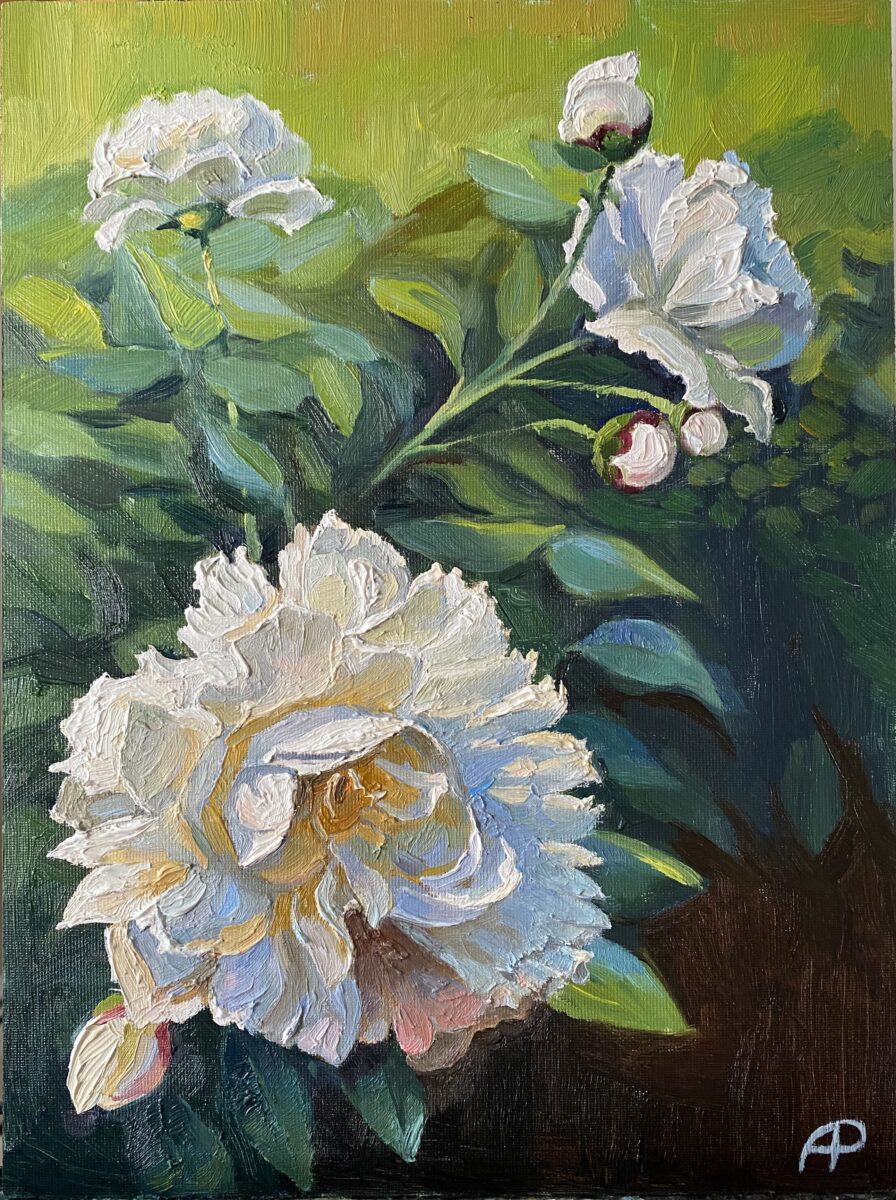
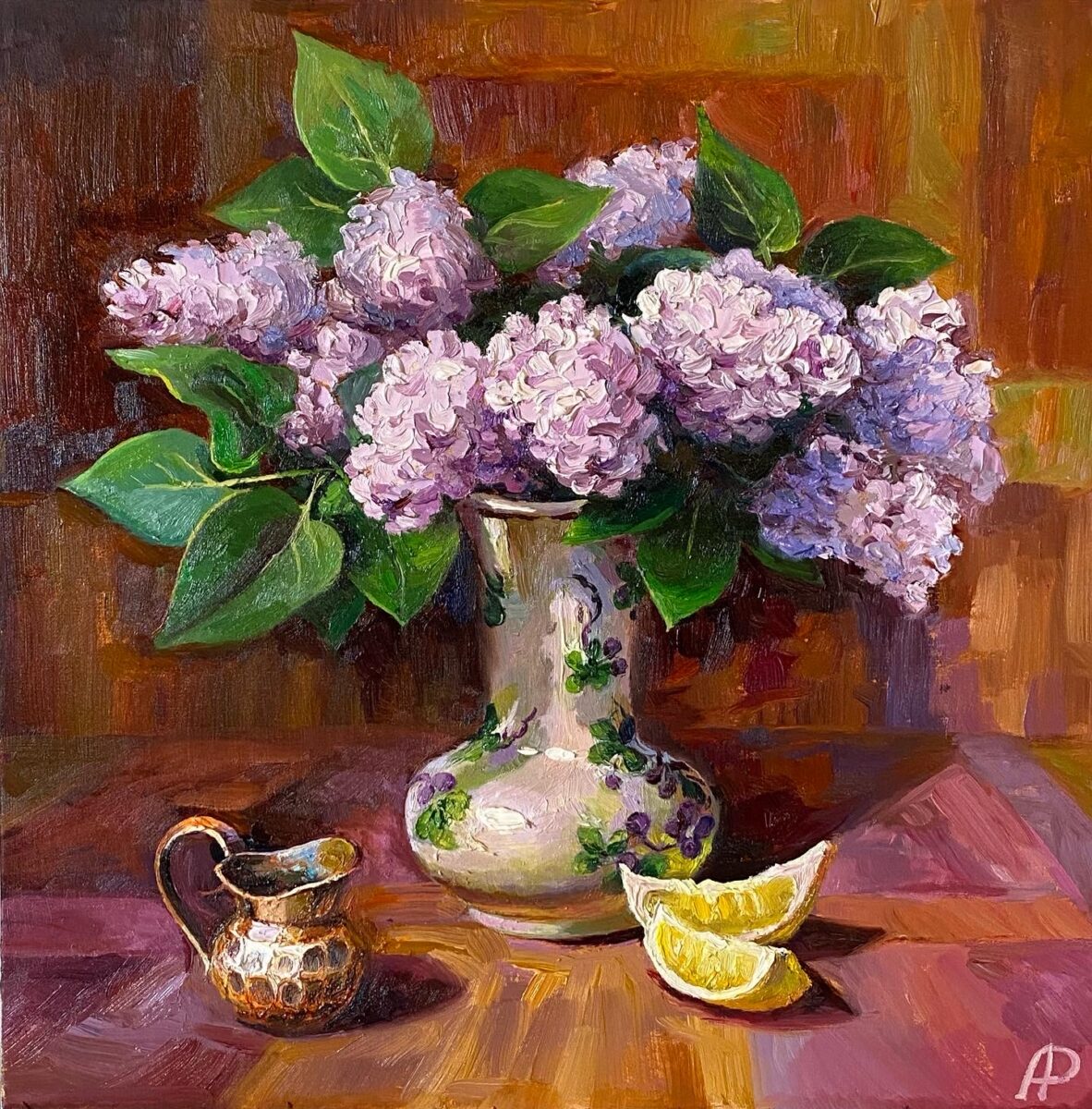
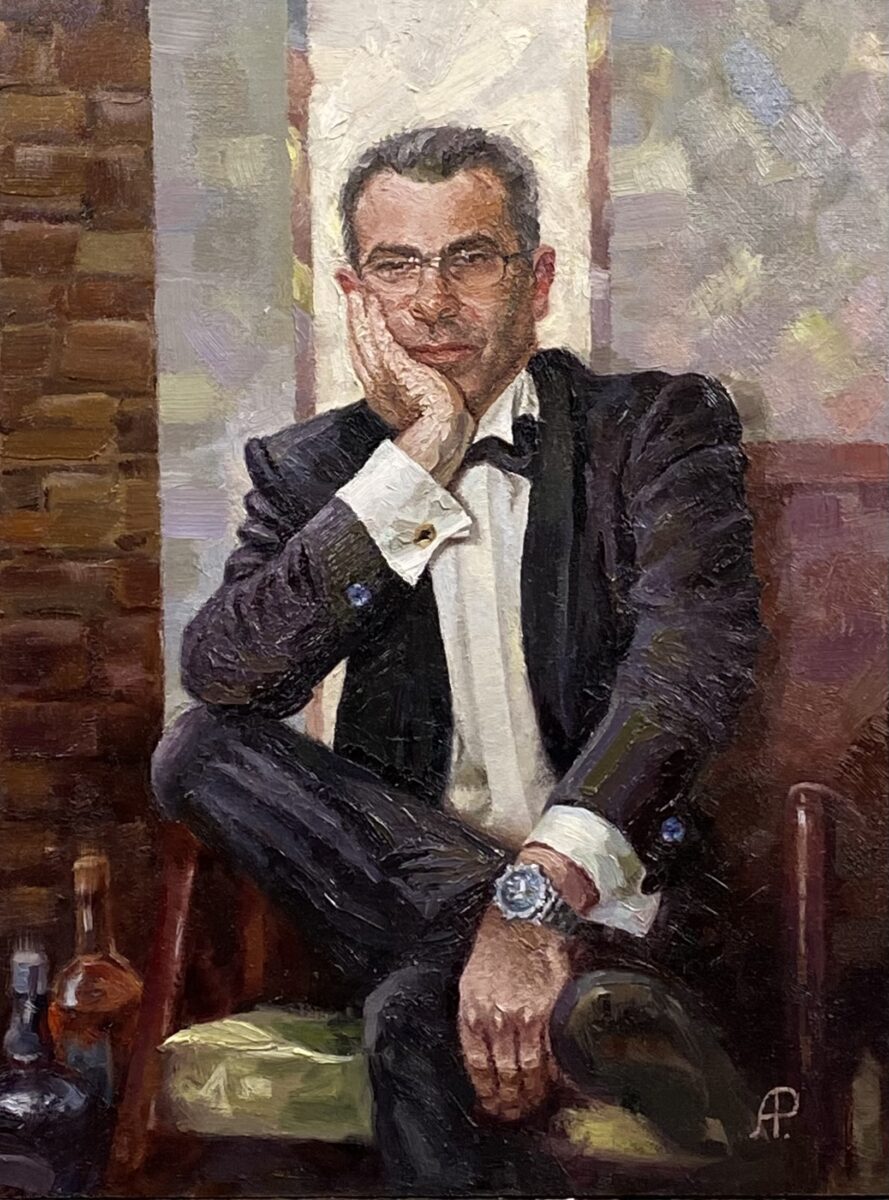
My other major subjects are landscape and portraiture. I particularly love painting portraits, and recently I received my first portrait commission. I spent an enormous amount of time on it and felt almost ashamed afterward—I am still trying to overcome my perfectionism. But in the end, I was happy with the result, and, most importantly, the client liked the painting.
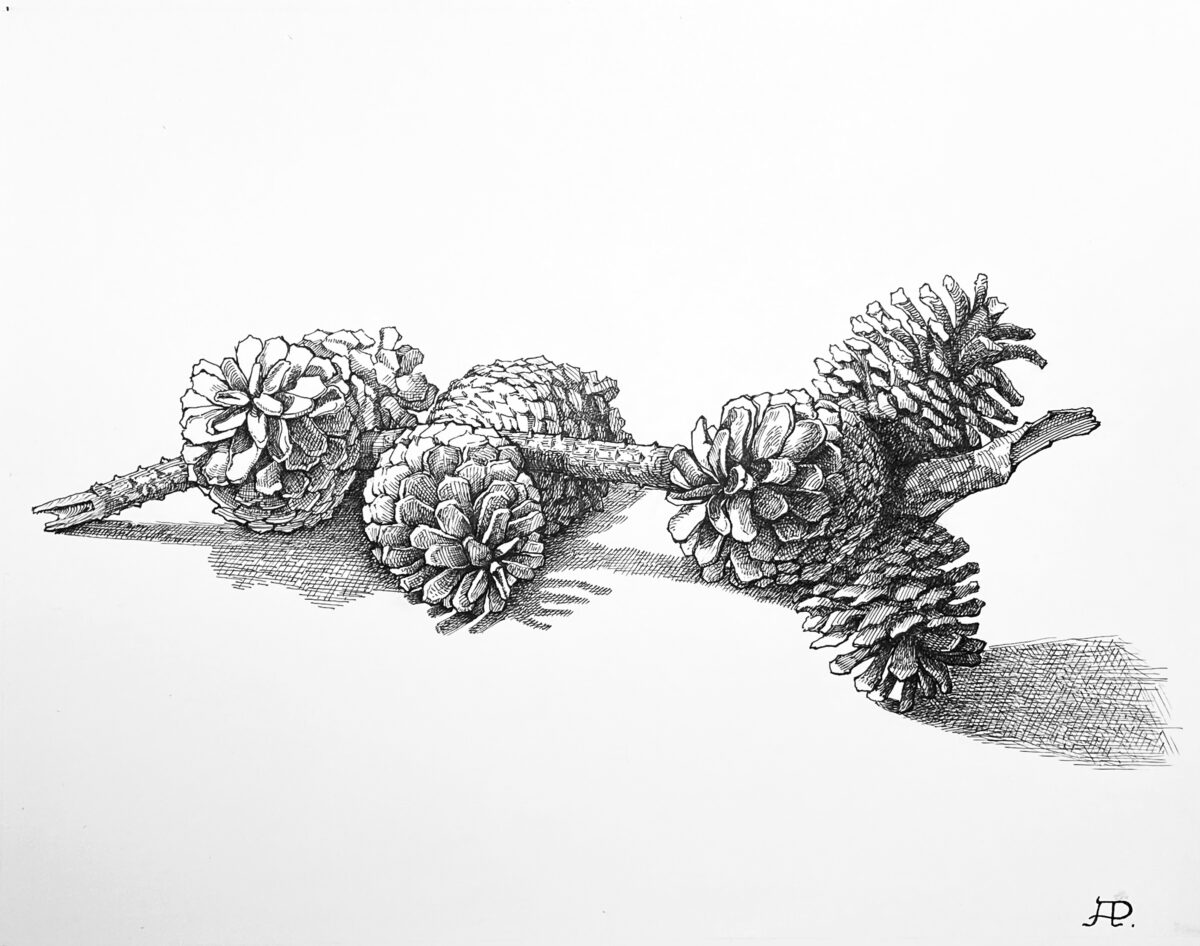
I am still very attracted to black-and-white graphic work, and I continue to draw from time to time. My pen-and-ink drawings are smaller now and do not contain quite as many details. They still require a great deal of preparation, though: sketching poses, photographing details, and gathering visual references from books and photos. My models usually are my husband and me.
Since I consider myself an expert in all kind of emotions (bipolar produces a variety of them), my biggest desire in Art is to convey the emotions, feelings. I believe now that my graphic is too traditional, cross hatching is too classic. Next time I’ll try something different – looser, wilder, less controlled.
A lot of people tell me that my graphic work is stronger than my painting, but I simply can’t stop painting. Color, light, the struggle to find correct values, brushwork, the challenge of interpreting reality rather than copying it—there are so many things to solve in a painting. I have always loved challenges.
Art is a lifelong process of learning, and I have always loved learning new things. For me, art is also a wonderful way to spend time, to step away from the problems of everyday life, and to improve my mental state. It allows me to become completely focused and lose track of time—although I probably need to become a little more vigilant about the time I actually spend!
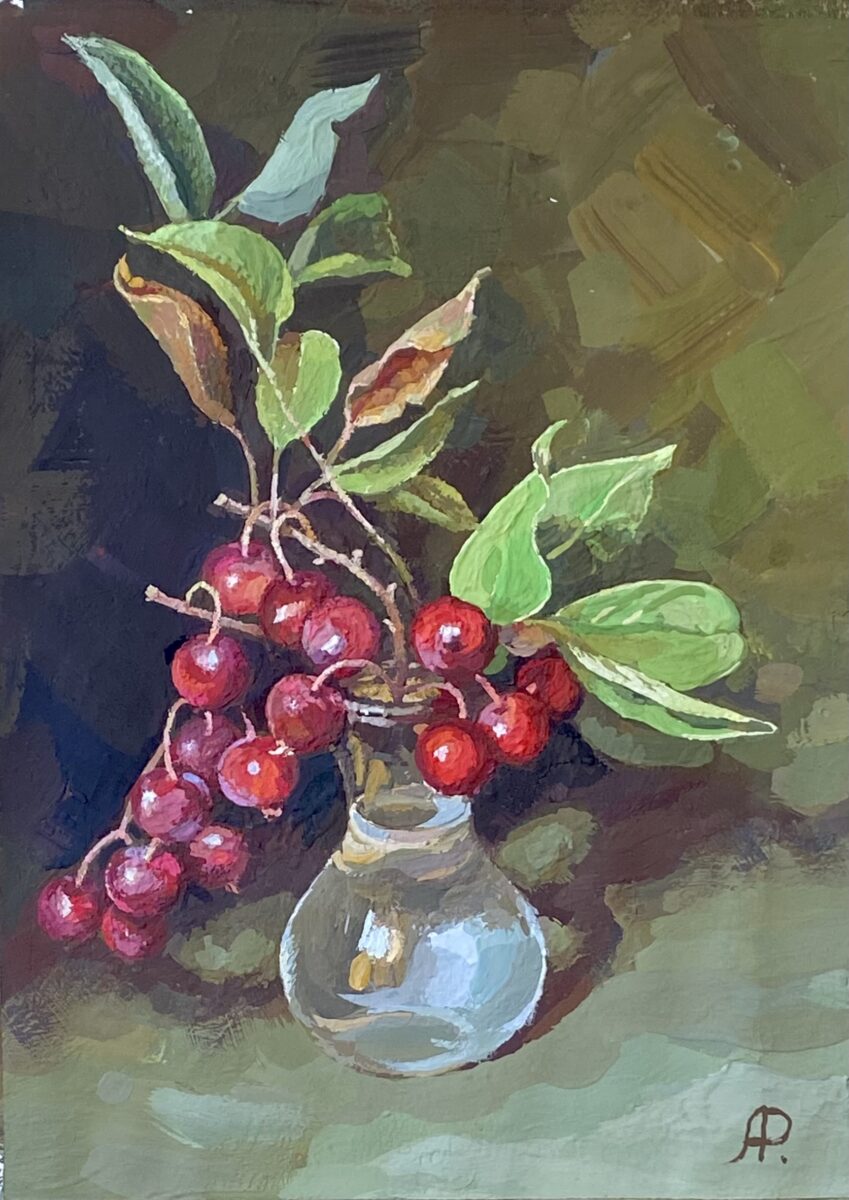
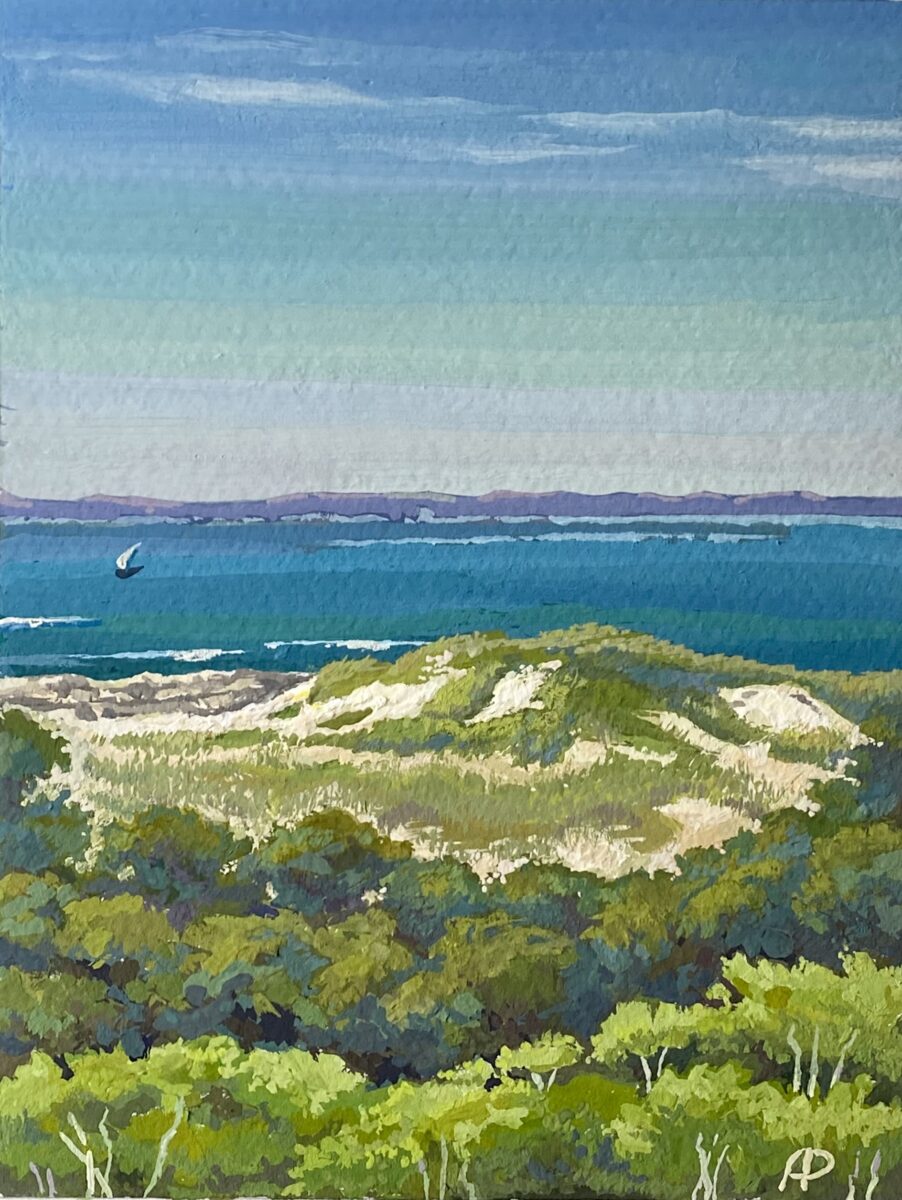 Recently, I started working with a new medium for me: gouache. I discovered that it encourages me to paint more loosely and more freely, with a more painterly quality. I had been trying for a long time to develop this kind of painting style because I love it so much. It has been incredibly difficult, and it still is.
I am also trying to focus more on enjoying the process of painting rather than obsessing over the final result. I am learning to allow myself to make “less perfect” art. Another thought that has begun to occupy my mind is how to make my art more contemporary, less rigid, and more alive to the time in which I live. When we look at the paintings of artists from different periods, we can see what was modern to them—the forms, objects, gestures, and ideas that they found beautiful and worthy of preserving on canvas. In this way, we recognize different epochs and different styles; we can almost feel the particular spirit, or flavor of a time.
I need to learn to see the beauty of my own era—to recognize what is uniquely contemporary in the world around me—and to translate that beauty into my work.
There are still so many things I want to overcome, try, and learn—and so little time.
Sometimes I wish I had taken painting more seriously earlier in my life. Maybe my life will turn out different. But it is natural for me imagining different scenario and different outcome. Perhaps this is part of what makes art so meaningful to me. I am still learning, still experimenting, still struggling, and still discovering what I want to say.
And, after all these years, I still cannot imagine giving up painting.